Building in Pea Ridge
Many people who live in Pea Ridge work for the big employers in Rogers and Bentonville, then come home to ridges, spring-fed streams and room to spread out. Large poultry, dairy and beef-cattle operations have replaced many of the old apple orchards around town. So a common plan here is a new house plus something for the land: a hay barn, an equipment shed or a shop.
A barn that earns its keep
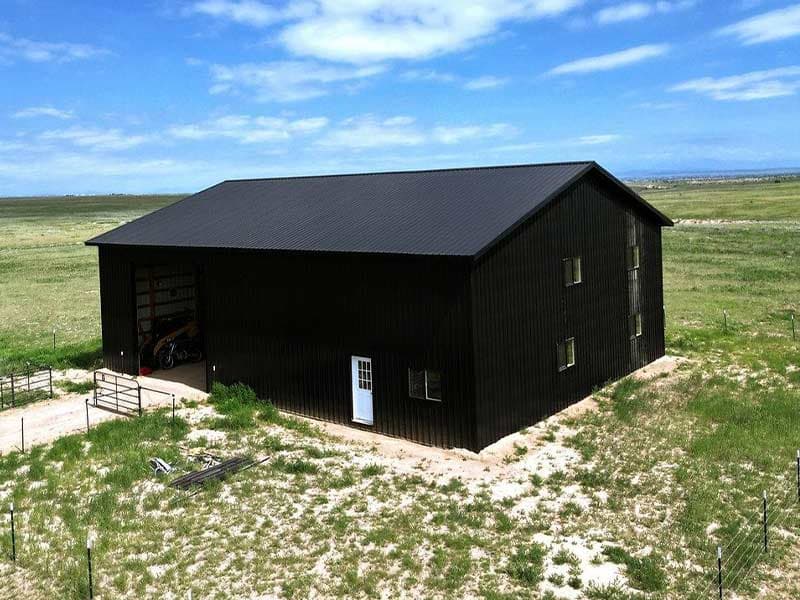
Start with what goes inside. Round bales, a tractor with a loader, a stock trailer and a side-by-side each need different door widths, clear heights and floor space. Measure the biggest thing you own or plan to buy, then add room to turn and work around it.
Hay storage and equipment storage don't always want the same building. Hay needs airflow and protection from blowing rain, and many people leave one side open. Machinery wants a solid floor and doors that close. Some owners build one long building with an open bay and an enclosed bay under one roof, which often costs less than two separate structures. Leave room to grow, too. An end wall designed to come off later lets the barn expand with the herd or the equipment list.
Posts in the ground or a steel frame on the farm
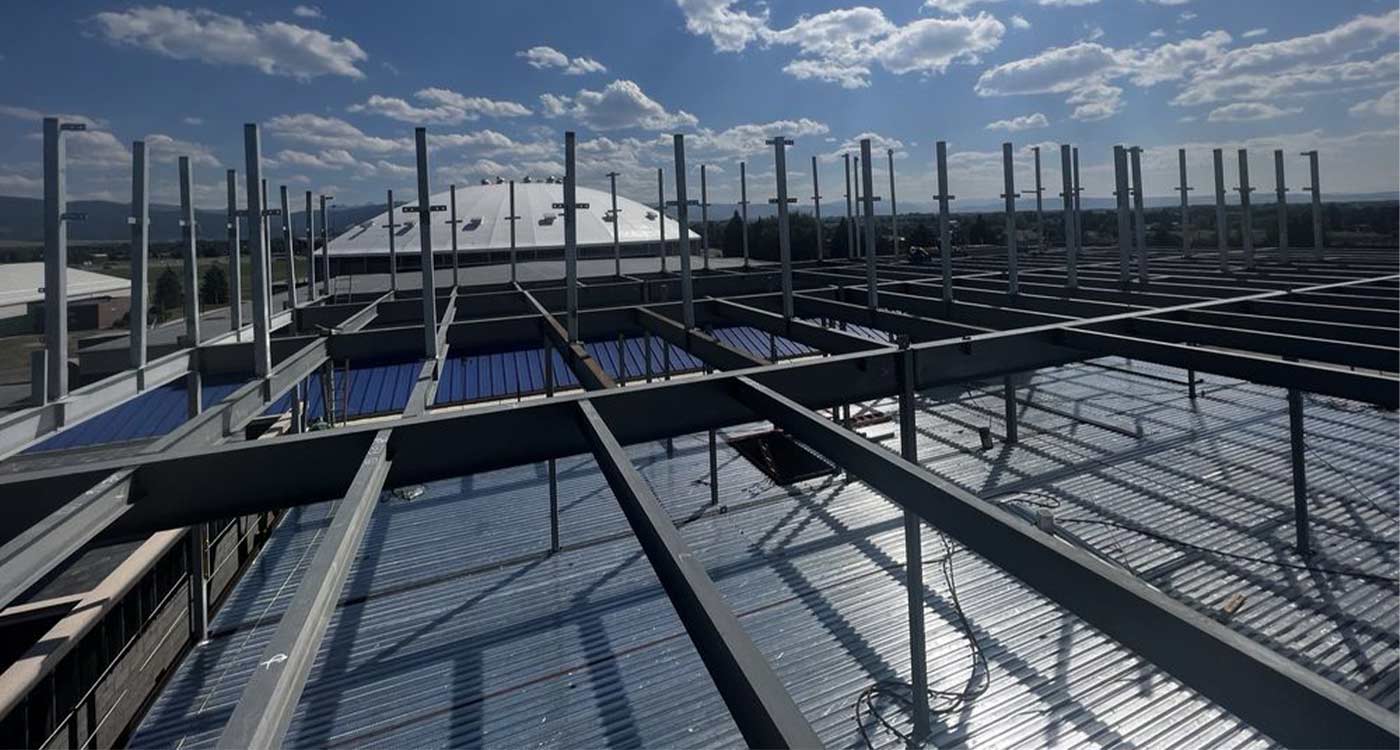
Post-frame has long been the standard for farm buildings because it's quick to put up and economical for open storage. It works well on a gravel or dirt floor, and an open-sided hay barn is about as simple as building gets. Where cattle will be inside, ask about protecting the posts and lining the lower walls, because animals lean, rub and kick.
Red-iron steel makes more sense when you need very wide clear spans, tall doors for a combine or large equipment, or a building you may later insulate and heat as a full shop. It usually costs more and needs engineered footings. Ask each builder to price your building both ways if they offer both, and to explain which parts of the price actually change.
Placing the house, barn and shop together
On acreage it's tempting to put the barn wherever there's flat ground. Think a few steps further. Where will trucks and trailers turn around? Which way do the prevailing winds carry dust and smell? Where does water run when it rains hard on a ridge slope?
Ask your builders to look at the whole site, not just the footprint they're pricing. A driveway that serves both the house and the barn, with power run once to both, can save real money. Low spots near a spring-fed branch are better for pasture than for a slab.
Building in phases
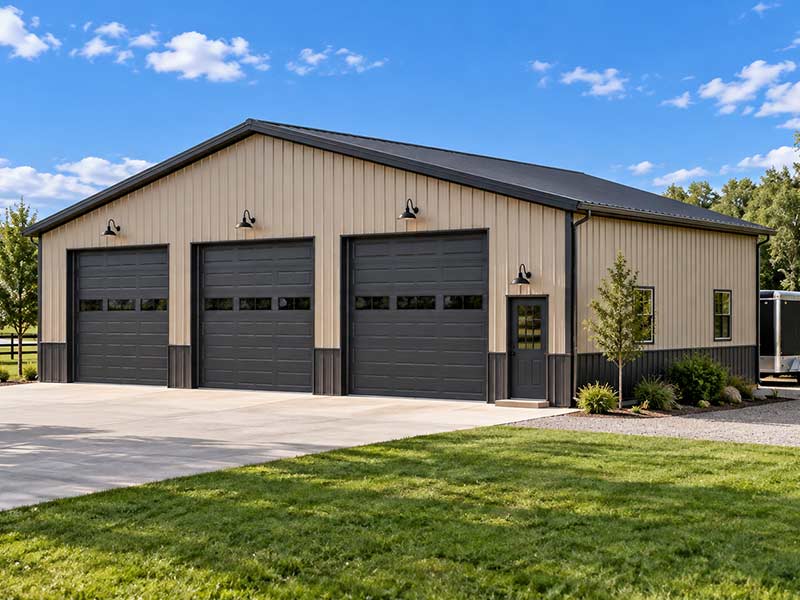
Plenty of buyers can't do everything at once. A common order is the shop or equipment shed first, then the house a year or two later. The shop gives you a dry place for tools and materials during the house build, and sometimes a place to live while the house goes up if the design allows it.
If you phase, plan the whole site at the start. Size the electrical service, septic location and driveway for the finished layout, not just the first building. Tell each builder about phase two so they don't put the shop where the house should go. A loose price on the second building now also tells you the total you're signing up for.
Comparing what you're quoted
Farm buildings are quoted in very different ways. One builder includes site leveling, another assumes you'll have the pad ready, and a third prices only the shell. Ask for a line-by-line scope covering pad prep, posts or footings, framing, roof and wall panels, doors, any concrete, gutters and cleanup. Ask how long each quote holds, too. Steel and lumber prices move, and a quote that expires in two weeks pushes you to decide fast.
If you're also getting bids on the house, keep the barn and home quotes separate so you can compare builders fairly on each. Some companies on this page build homes only and others build only barns and shops. A few do both.
Before the dirt work starts
Confirm current requirements with the City of Pea Ridge Building Department for land inside city limits, or Benton County Building Safety for property in the county. Do this before you settle on a site plan.
Call your electric provider early as well. Ask how far power has to run to the barn site and whether the builder's quote includes trenching. On ridge-top acreage, a long run to a back pasture can be one of the bigger surprises in the budget.
The Pea Ridge builder list
No builder on this page is based in Pea Ridge itself, which is normal for a smaller town next to Rogers and Bentonville. The list includes post-frame and red-iron builders from Rogers, Springdale, Gentry and Bella Vista, including Jones Building Systems, plus custom home builders from Springdale, Fayetteville and Siloam Springs and a few from farther away. Statewide post-frame companies also appear. The town has its own small construction firms and cabinet shops too, and the Rogers and Bentonville pages list more builders who work this way.
Ask each builder for farm buildings or homes they've done nearby that you can see, plus references, a written scope and warranty, and their license status with the Arkansas Contractors Licensing Board. A builder who asks about your equipment and hay before quoting is one worth a second conversation.
Sources: Encyclopedia of Arkansas: Pea Ridge (Benton County), City of Pea Ridge Building Department, Benton County Building Safety, Arkansas Contractors Licensing Board