Building in Booneville
Logan County has two seats, and Booneville serves its Southern District, with Mount Magazine, the highest point in Arkansas, rising in the same county. The town grew up near the Petit Jean River, and the country around it is farmland and timber, with beef cattle a big part of the county's farming. If you're planning a barn, a shop or a home on acreage, here's what to think through first.
Barns that earn their keep with cattle
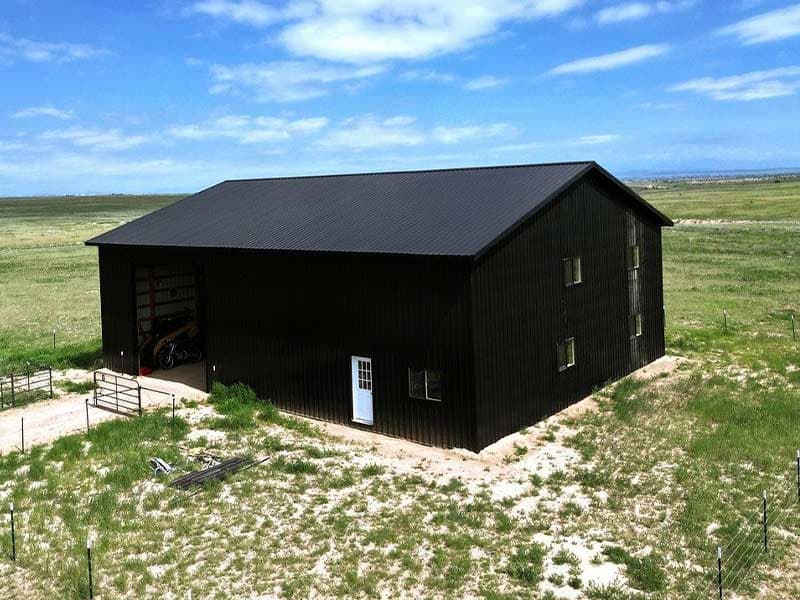
Cattle buildings tend to be simple and hard-used. A hay barn, a covered work area by the pens and a shed for the tractor and trailer cover a lot of operations. Decide what each one must hold, then ask builders to price clear widths and heights rather than square footage alone.
Think about how animals and machinery move. A loafing shed open on the side away from the winter wind, a gate set so you can load a trailer without backing through mud, and hay stored close to where you feed will save you time every day for years.
Leave room to grow. A barn sized for small square bales and a compact tractor can feel cramped once you switch to round bales and a bigger machine, and an extra bay is cheaper to plan now than to add later.
One building, several farm jobs
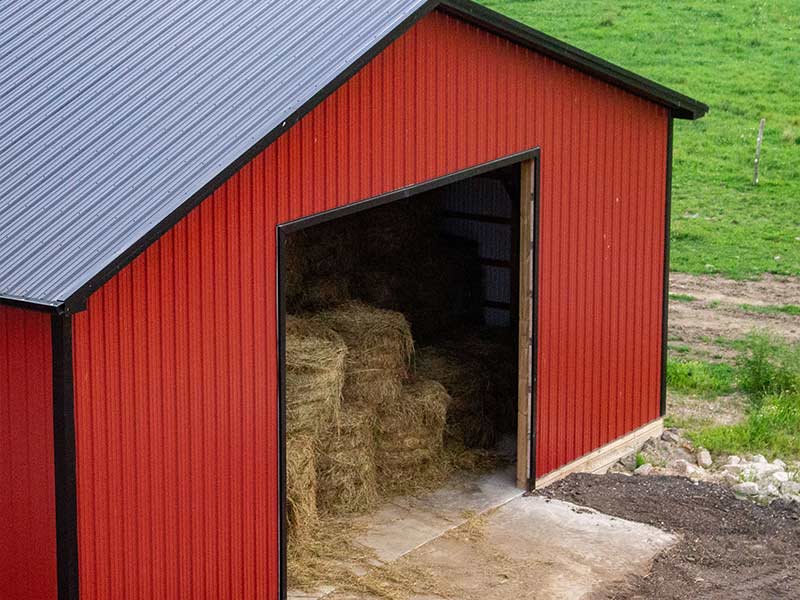
The USDA's Dale Bumpers Small Farms Research Center was established in the Booneville area, a fitting neighbor for a county of small farms. On a small place, one building often has to do three jobs. A post-frame barn with a hay bay, an enclosed shop corner and a lean-to for cattle can cost less than three separate structures, and it keeps your chores under one roof.
Ask builders to price it both ways, combined and separate. Sometimes two smaller buildings make more sense, especially if you want the shop heated and the hay kept well away from welding sparks.
Posts, red iron or a framed house
Post-frame is the usual starting point for farm buildings: treated posts, wide trusses and metal panels over a gravel or dirt floor where you don't need a slab. It goes up fast, and adding a lean-to later is straightforward.
Red-iron steel usually costs more, but it suits a heated shop on a slab, a wide clear span for big equipment or a building you want to keep with little upkeep. For a house, a conventional stud-framed home or a barndominium with a framed interior are both options. Ask each builder what they'd recommend for your budget and why, and have them name what the other choice would cost.
Wooded land and clearing costs
A sawmill in town draws logs from the Ouachita National Forest, and wooded acreage is common around Booneville. Clearing trees, pulling stumps and hauling off brush can add real money before a builder sets the first post. Ask whether clearing is in the bid or left to you, and get a separate price from a dirt contractor if it isn't.
Near the Petit Jean River and its creeks, low pasture can stay wet for days. Look the parcel up on FEMA's flood maps, and put the building on the higher part of your land when you have the choice.
A cabin with a view of Mount Magazine
Mount Magazine and Blue Mountain Lake are both in Logan County, and hunting, fishing and camping draw people to the area. Some owners want a cabin or a home placed for the view, or a building close to their hunting ground.
Higher, rougher sites carry their own costs: a longer gravel drive, footings that follow the slope, and more effort getting a concrete truck to the top. Walk the land with a builder before you fix where the house goes, and ask them to price two spots if you're torn.
No hometown builder on the list
None of the builders on this page is based in Booneville. The custom home builders work out of Fort Smith and Alma, a drive of 30 miles or more, and the post-frame companies serve the whole state. That's normal for a town this size, and a builder from out of town can do good work here if the terms are clear.
Before you sign, ask how many days a week someone will be on site, whether they hire local crews for dirt work and concrete, and how soon they'll come back if a door sticks or a roof screw leaks in the first year. Get those answers into the contract.
Before design starts, confirm current requirements with the City of Booneville for land inside city limits, or with Logan County for land outside them.
Builders listed for Booneville
The list includes a Fort Smith builder whose own site names Booneville, along with other Fort Smith and Alma custom home builders that serve the Arkansas River Valley. Two statewide companies that build pole barns, barndominiums, shops and agricultural buildings also appear.
Ask each one for recent projects within an hour of town and references you can call, a written scope with site work spelled out, and the warranty in writing. The Arkansas Contractors Licensing Board can confirm whether a license is current. Our Fort Smith and Greenwood pages list more builders who may make the drive.
Sources: Encyclopedia of Arkansas: Booneville (Logan County), Encyclopedia of Arkansas: Logan County, FEMA Flood Map Service Center, Arkansas Contractors Licensing Board