Building in Nashville
Around Nashville, the Howard County seat in southwest Arkansas, a lot of the land that once grew peaches now raises chickens. Poultry plants operate in town, the county has lumber mills, and many building projects here are tied to farm life in one way or another. What follows is meant for anyone planning a home, a farm building or a shop on that kind of land.
Orchard country that turned to poultry
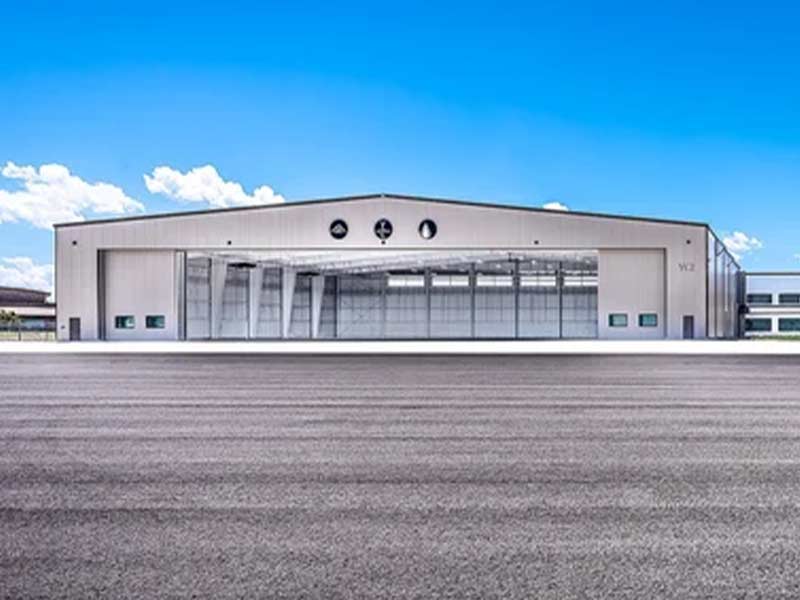
Peach orchards once spread through the hills near Nashville, and when the peach business faded, many of them became pick-your-own operations. Chickens began to be raised commercially on land that had once grown peach trees, and Pilgrim's Pride and Tyson both run poultry plants in Nashville today.
For a buyer, that history means a rural parcel may come with something already on them: an old poultry house, a pole shed, a fence line, a pad of packed gravel. Before you plan around what's there, find out what it is and what condition it's in.
Reuse the old building or start clean
An existing barn or poultry house can look like a head start. Sometimes it is. Have a builder walk it with you and tell you plainly whether the posts, trusses and roof can carry new use, or whether repairs would cost close to a new building.
If it has to come down, get demolition, debris hauling and pad repair priced before you close on the land. If you want to keep it, ask what it would take to add doors, insulation, a concrete floor or power. Those changes can run higher in an old frame than in new construction, because the builder has to work around what's already there.
Mountain ground to the north, plain to the south
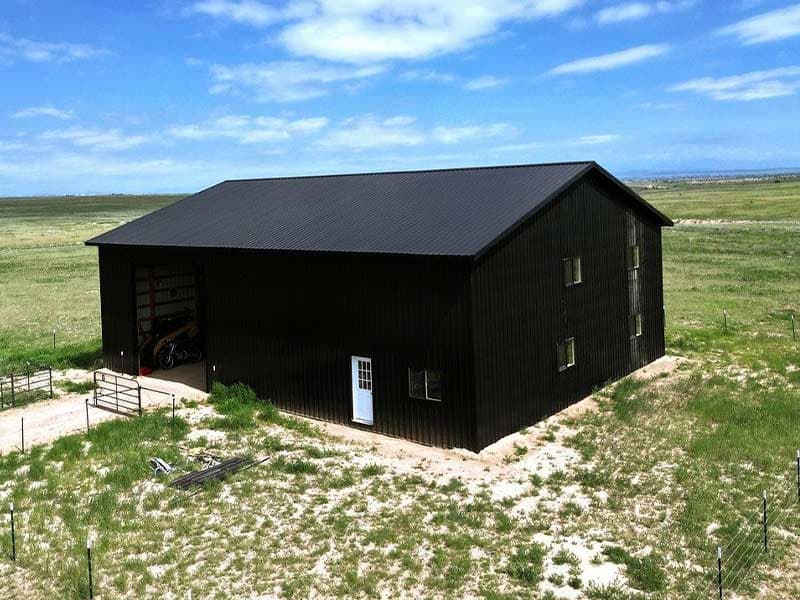
Howard County takes in the Ouachita Mountains to the north and the Coastal Plain to the south, and the county wildlife area is rolling hills managed for pine production. So two parcels in the same county can need very different site work.
On a hilly, wooded tract, expect clearing and cut-and-fill before the pad. On open farm ground, the questions are drainage and access. Look at each site after a hard rain and check it on FEMA's Flood Map Service Center. Ask each builder to put site work on its own line so you can see how much of a bid is the building and how much is the dirt.
Farm buildings sized for the work
Start with the equipment and the trucks. A hay barn, a tractor shed or a feed and supply building should be planned around the largest machine that has to pull in and the turning room a truck needs to back up to it. Door width and clear height come from those numbers, not from a standard kit size.
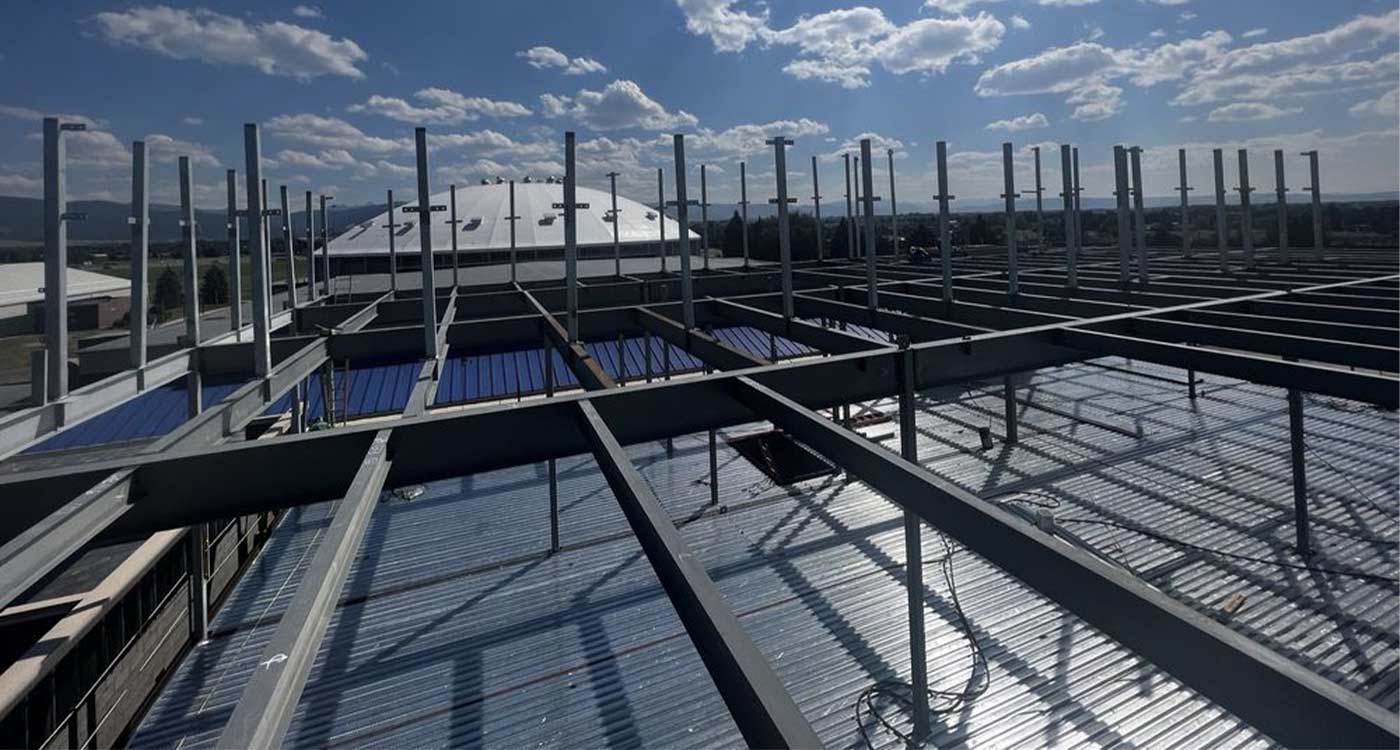
Post-frame is a common, economical choice for open or enclosed farm storage. A red-iron steel building costs more but handles wide clear spans and tall doors. Whichever you choose, ask how the builder handles ventilation and condensation in a building that will hold hay, feed or animals.
A house on the farm
If a home is part of the plan, decide whether you want a plan-based house, a fully custom design or a barndominium. A barndominium can share a slab and roof with a shop, but it still needs the insulation, windows and finishes of a real house. A separate house and barn costs more up front and keeps work noise and dust away from where you sleep.
Hiring a hometown general contractor
One builder on this page has its office in Nashville, and it takes on residential and commercial work. A local general contractor can be a good fit when the job mixes trades: a house, a driveway, a shop and the plumbing and electrical between them.
Ask what the contractor does with its own crews and what goes to subcontractors. Ask who the steel or post-frame supplier would be for a farm building, and who stands behind that part of the work. Get the answers in the contract, not just the conversation.
Quotes you can lay side by side
Give every builder the same written plan: size, wall height, doors, windows, slab, insulation, utilities and any interior finish. When the bids arrive, read what each one excludes before you look at the bottom line. Concrete, gravel, gutters and the electrical hookup are frequent gaps.
Before design work goes far, ask the City of Nashville about current requirements if the site is in town, or Howard County if it's out in the country.
Who builds around Nashville
The Nashville-based company here is Under Construction Contracting, a residential and commercial contractor that shows its Arkansas license number on its site. Two custom home builders reach Nashville from the Texarkana area: United Built Homes, whose Texarkana design center lists Howard County, and Jeans Custom Homes of Texarkana, which serves a 75-mile radius. Two statewide post-frame companies fill out the list for barns and shops. Our Hope and Texarkana pages list many of the same home builders.
Whoever you talk to, ask to see recent work in this part of the state and to speak with two or three past customers. Get the scope, the exclusions and the warranty on paper. The Arkansas Contractors Licensing Board can tell you whether a contractor's license is current, so look that up before any money changes hands.
Sources: Encyclopedia of Arkansas: Nashville (Howard County), Encyclopedia of Arkansas: Howard County, United Built Homes: Texarkana Design Center, FEMA Flood Map Service Center, Arkansas Contractors Licensing Board